
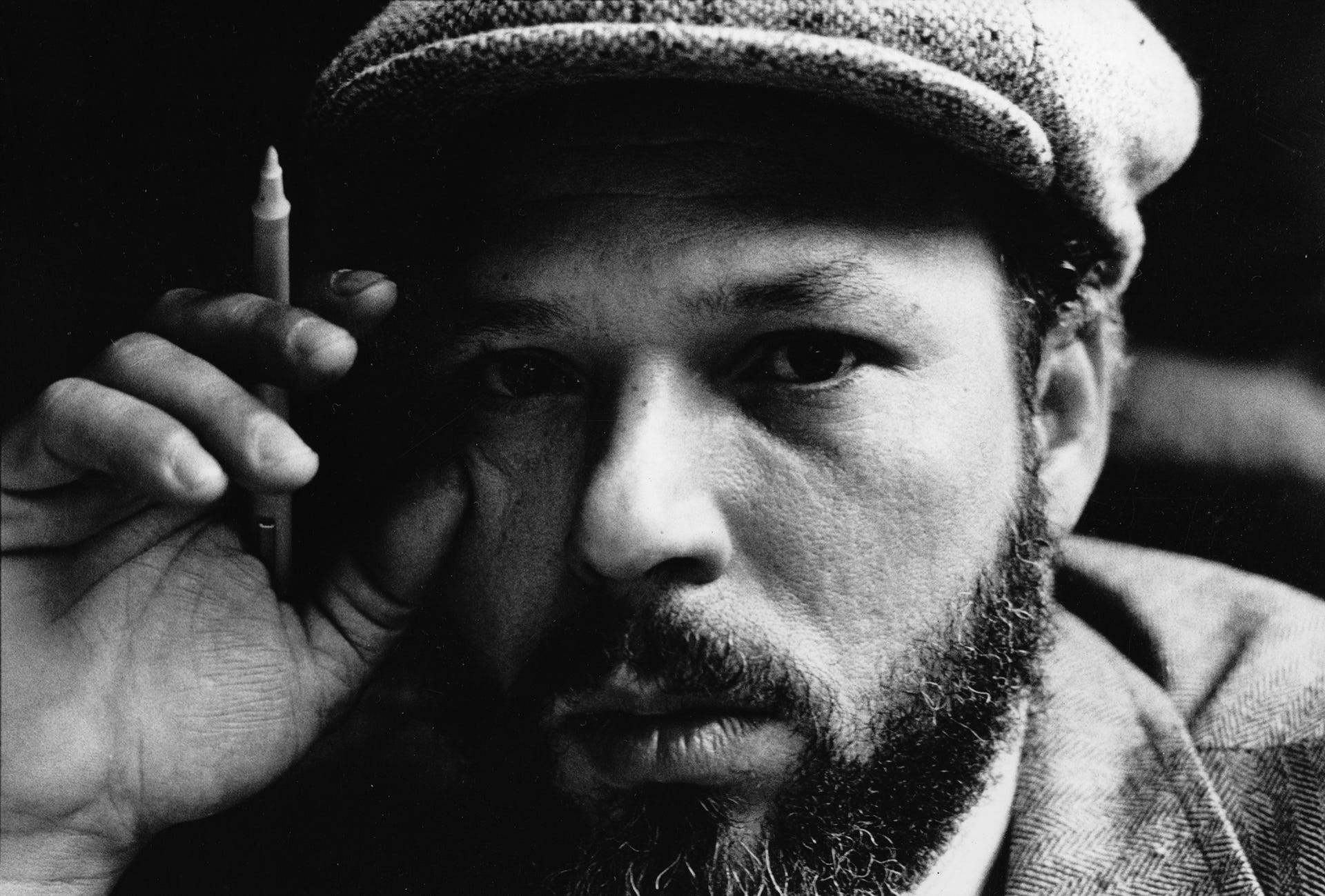
August Wilson
You got to take and find the starting place in the world.

The second play I ever saw on Broadway was Ma Rainey’s Black Bottom, starring Whoopi Goldberg and Charles S. Dutton. I was a liberal arts kid in an improv theater troupe, half-interested in theater but figuring it out. On a spring break trip to New York I grabbed what was available at the TKTS booth.
I was dazzled. I recognized them both from movies! The action trundled along, gentle, with occasional notes of foreboding.
Then, when Dutton fell to his knees toward the end of the ‘Levee got to be Levee’ speech, I felt a spear pierce my heart. Tearing away his shirt to reveal his scar, Dutton opened a wound so deep it swallowed up everyone in the audience.
I have reread and taught and seen that play so many times I’ve lost count. The raw power pulsing through its lines is matched only by the craft with which Wilson rendered it. Especially Levee, the way that moment propels the play into its churning second half.
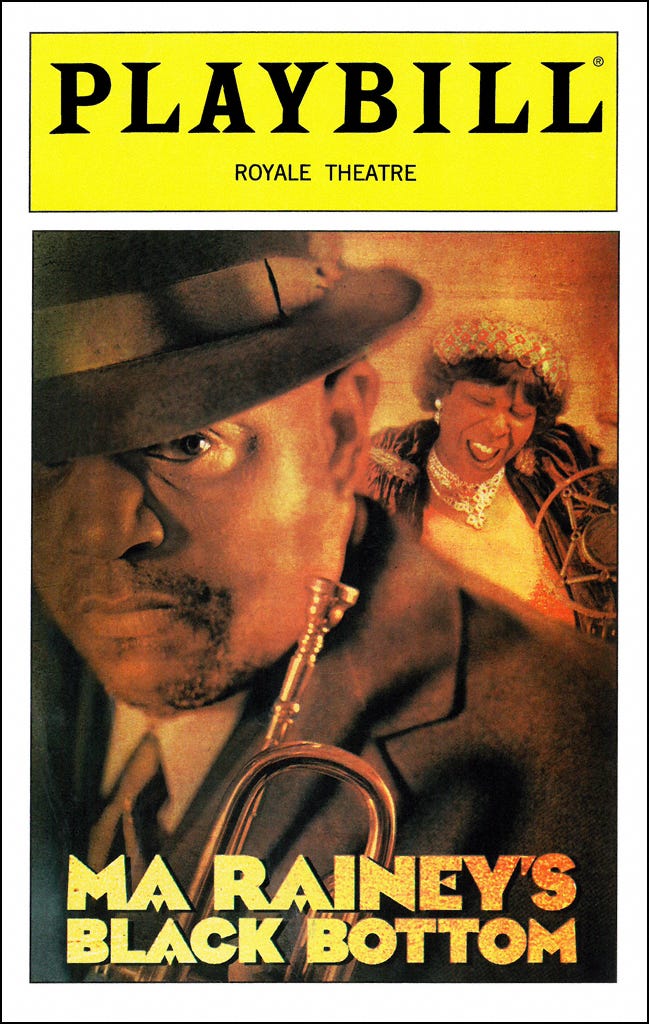
I didn’t have the equipment to grasp what the play was saying about our society, or what it had to do with me. But Wilson’s story, and Dutton’s Levee, lodged in me like an axe. It would take years to understand why Levee felt so close despite the distance in time, space, and culture. But that is what great art does: it reveals the audience to itself, and lets us meet others knowing they, too, carry scars.
Wilson’s Pittsburgh Cycle was a mammoth contribution to American theater. Having developed his voice within the Black Arts Movement, he documented the lives of working-class Black Americans across the 20th century, challenged canonical erasure, and launched a thousand careers. His characters were not abstractions, not symbols, but human beings.
His was the work of a lifetime. A crystalline purpose, a clarion voice, a treasure beyond value.
Happy Birthday, August Wilson.